YIN YOGA THERAPY
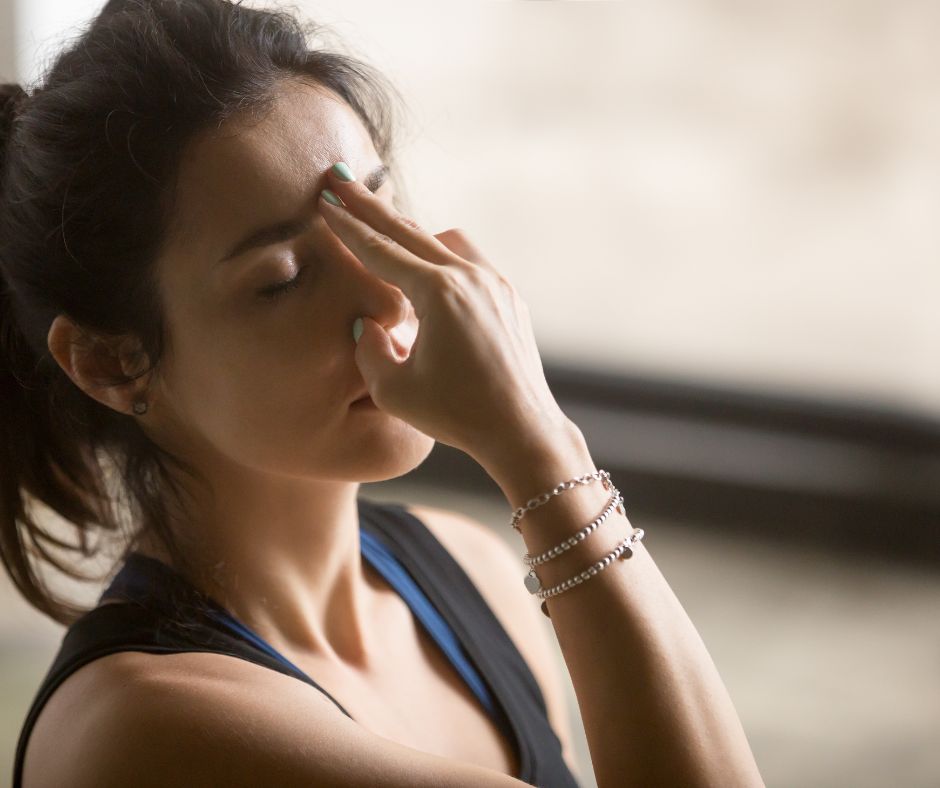
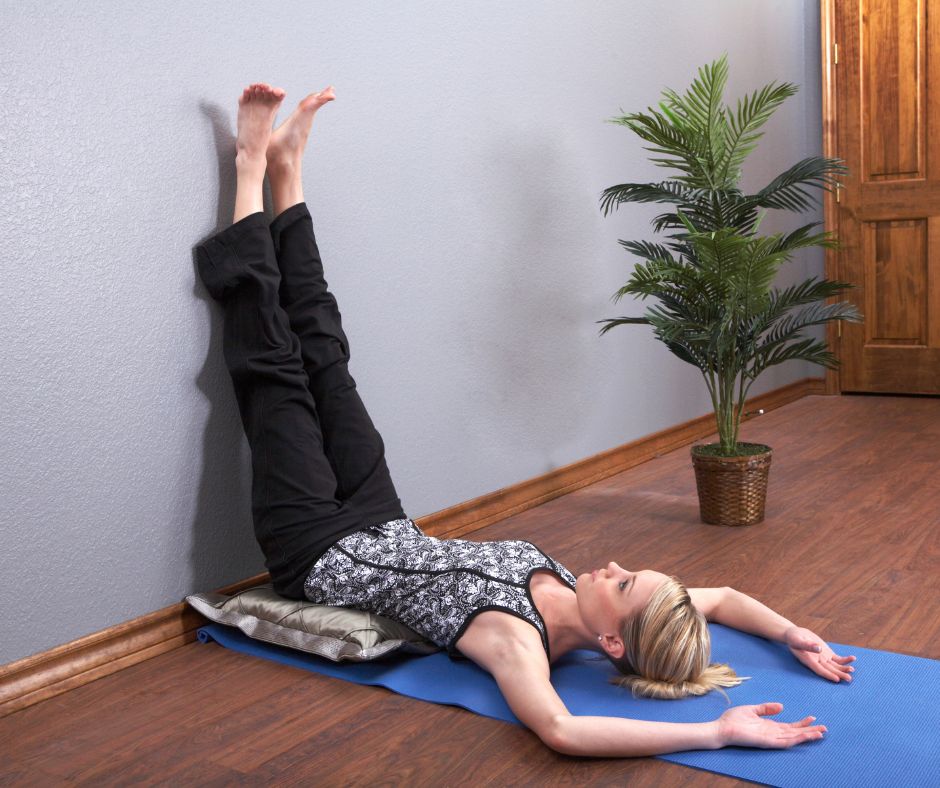
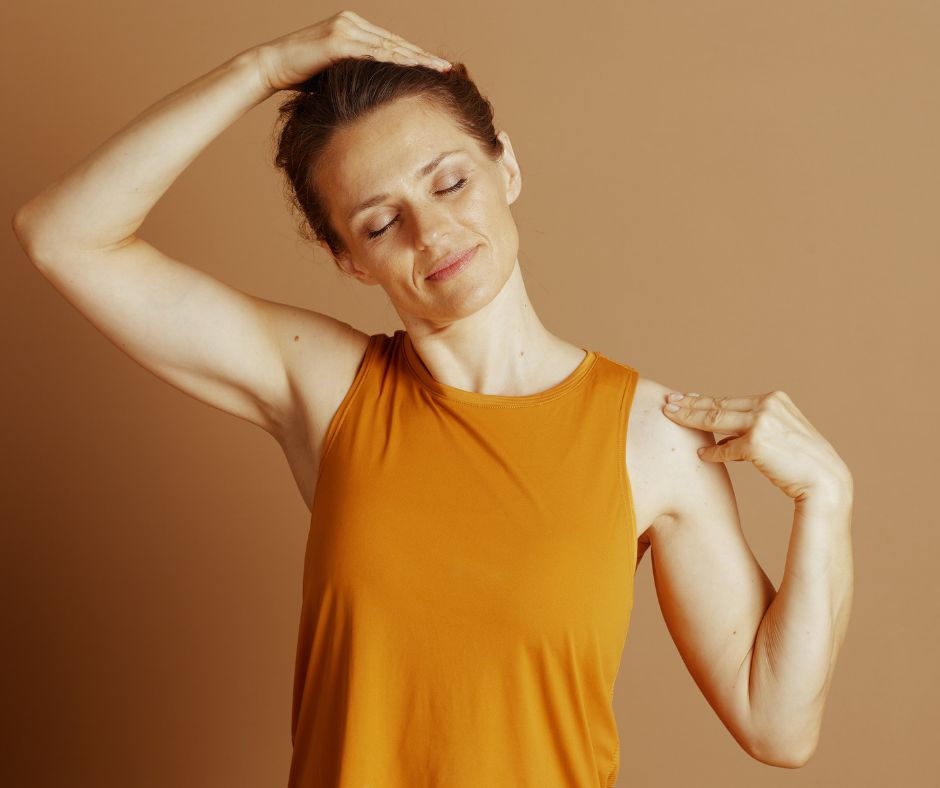
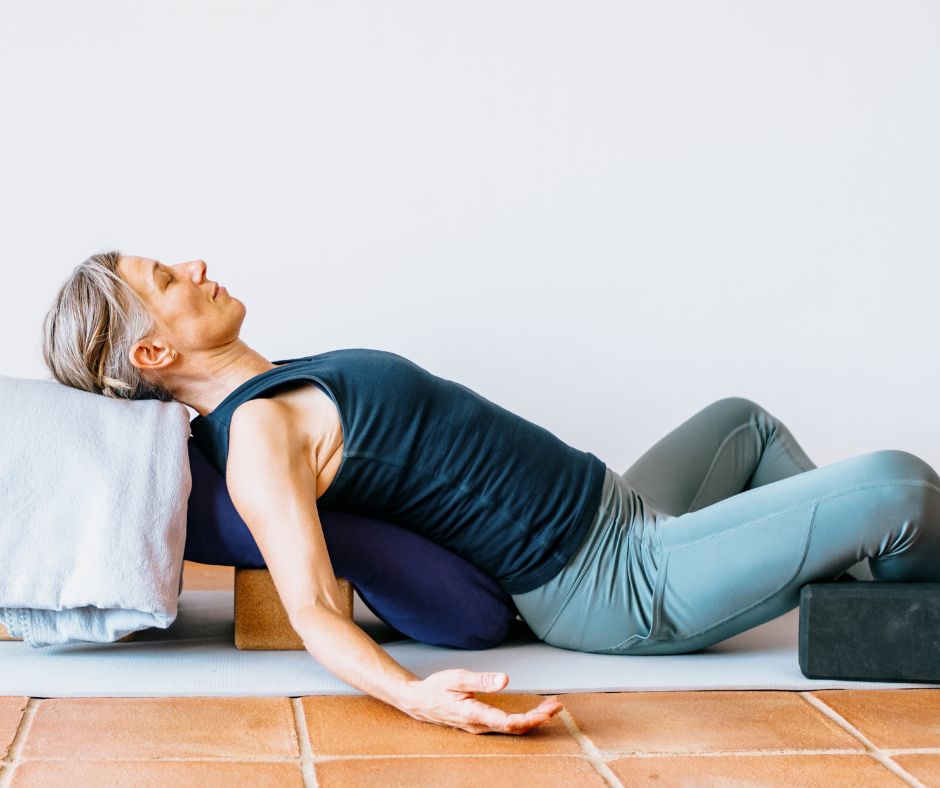
Yin yoga is a slow, passive style of yoga that involves holding floor-based poses for longer periods to target deep connective tissues like ligaments, joints, and fascia. Unlike more active styles that focus on muscles, yin yoga aims to improve flexibility and circulation in the joints and stimulate the body's subtle energy flow. It is based on the Taoist concept of yin and yang, emphasizing stillness and internal focus to calm the nervous system and promote deep rest. This quiet, contemplative practice provides opportunities for introspection, along with emotional and mental benefits.
Through adopting and teaching the functional way in Yin yoga, pioneered by master yoga teacher Paul Grilley, I emphasize adapting poses to fit the unique anatomy of each individual, rather than trying to achieve a universal shape. The focus is on internal sensation and how the pose functions for your body, with the primary goal of safely and effectively targeting the body's connective tissues. There is no one-size-fits-all alignment that will universally work for everyone. A functional practice acknowledges that no two skeletons are identical and that no pose will feel or look the same to everyone. This is in direct contrast to an aesthetic approach, where everyone tries to mold their body into the "perfect" or "correct" shape of a pose. A fundamental pillar of the functional approach is recognizing and honoring skeletal variation.
A combination class of Yin yoga and yoga therapy applications. This class is a whole-body therapeutic approach to soothe the mind, harmonize the body, and uplift the spirit. Relieve stress, regulate the nervous system, improve organ function, clear energy blockages, and increase awareness through mindful observation, deep breathing, long passive holds, and meditation. This class is a great option for those looking to cultivate a deeper connection with themselves and anyone experiencing chronic pain, stress, burnout, anxiety, fatigue, or recovering from trauma.
Open to all. Each class is customized to meet the needs of the individuals in attendance. This class is trauma-informed, meaning it is adapted to meet the specific needs and symptoms of trauma recovery. It emphasizes safety and choice while focusing on grounding and present-moment awareness rather than solely on physical postures. This class offers physical, mental, emotional, and spiritual well-being.