MYOFASCIAL RELEASE & MYOYIN
Fascia is a continuous web of connective tissue that surrounds, supports, separates, and connects muscles, organs, bones, and nerves. It acts like a body-wide sheath, providing structure, reducing friction, and allowing tissues to glide smoothly. Made primarily of collagen and elastin, fascia has both strength and flexibility, and is richly supplied with nerves—making it a major sensory organ for proprioception (body awareness).
Because fascia is intertwined with nearly every system in the body—including the nervous, cardiovascular, respiratory, musculoskeletal, digestive, endocrine, and urinary systems—it forms an interconnected framework that supports, coordinates, and communicates throughout the entire body.
Healthy fascia is supple, hydrated, and able to move with ease. When it becomes tight, stiff, dehydrated, or inflamed, it can restrict movement and cause pain. This highlights the essential role of fascia in mobility, posture, recovery, and overall well-being.
Conditions that can benefit from having healthy fascia:
-
Plantar fasciitis
-
Piriformis syndrome
-
Frozen shoulder
-
Back and hip pain
-
Tight or overactive muscles from poor posture or repetitive strain
-
Fibromyalgia
-
Carpal tunnel syndrome
-
Neck tension and headaches
-
TMJ dysfunction
-
SI joint dysfunction
-
Sports injuries and movement-related recovery
Myofascial release techniques are used to release tense muscles, fascial restrictions, and points in the body that cause fatigue, stress, pain, and stiffness. These tender spots in the body are not only the result of but also caused by energy blockages, repetitive and sustained injuries, poor posture, emotional stress, or inactivity. Fascia forms the largest system in the body, as it connects to all other systems.
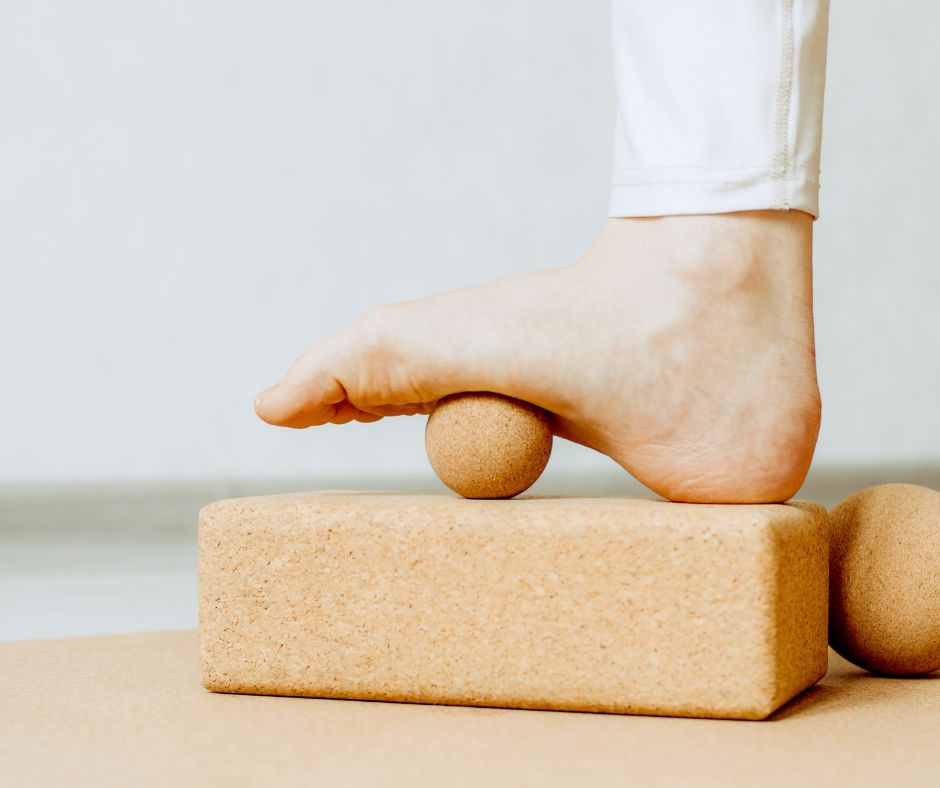
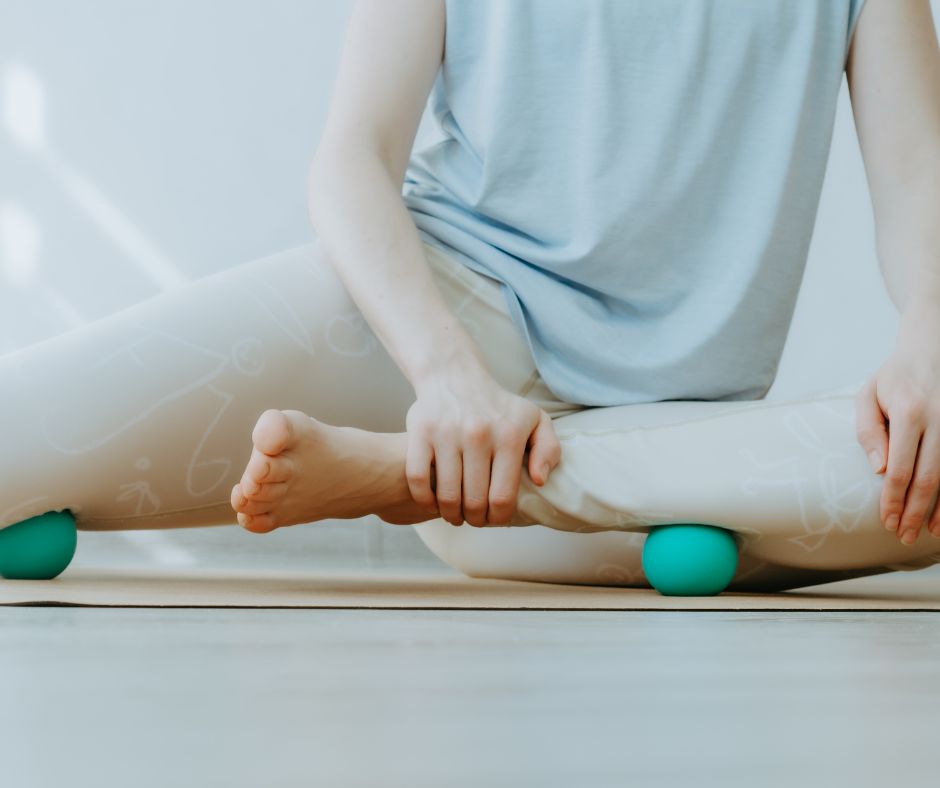
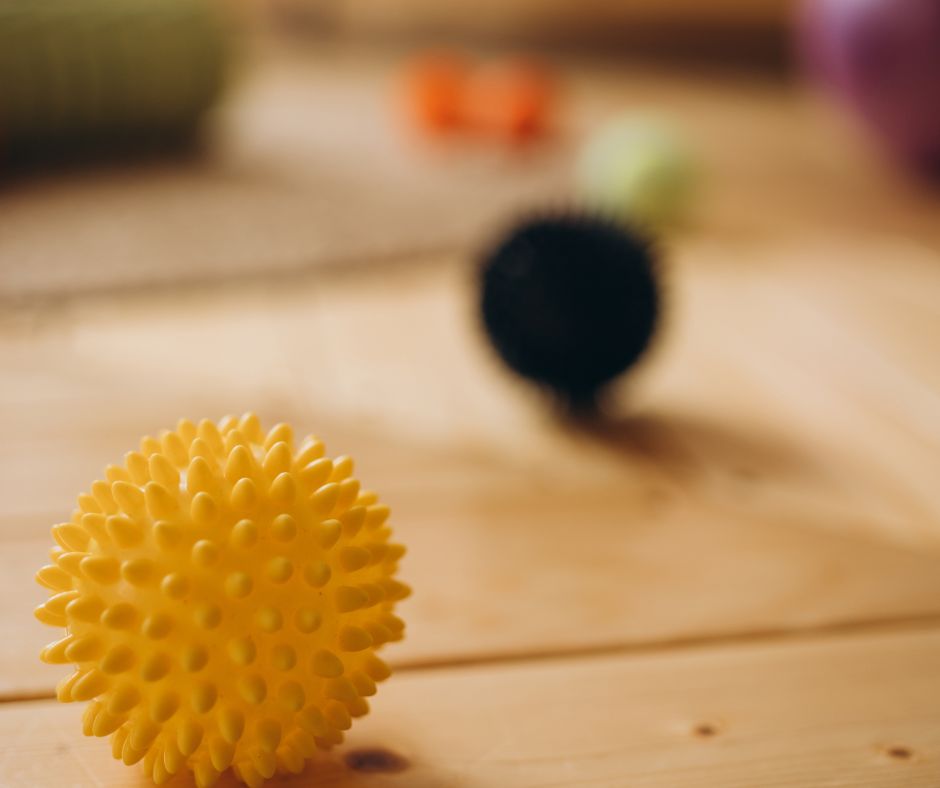
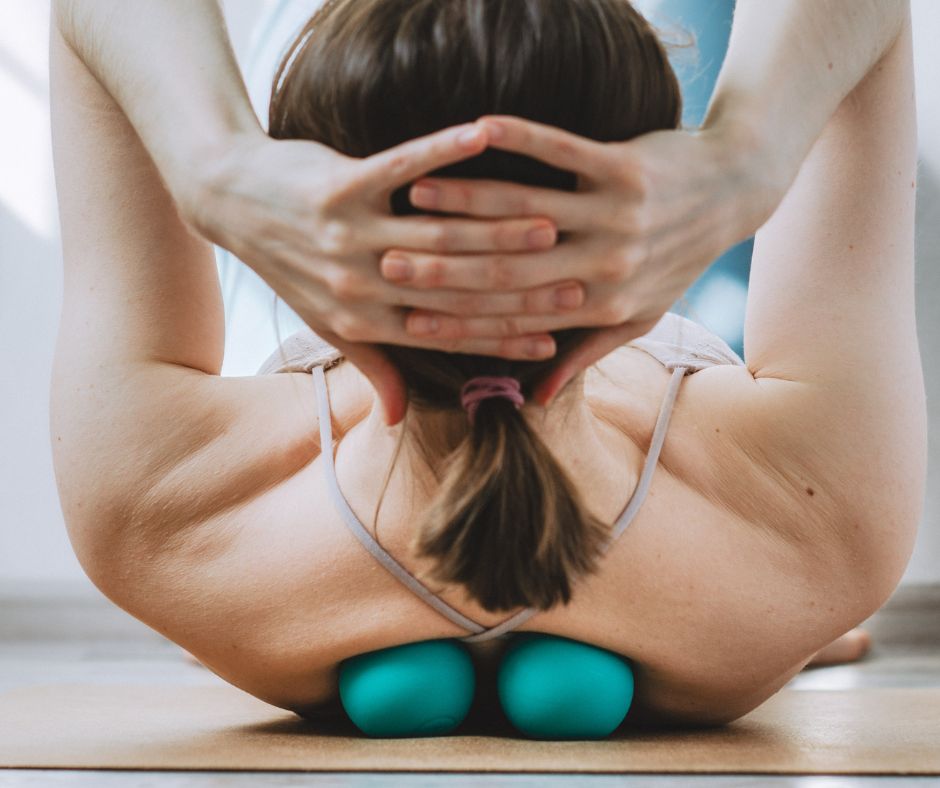
Self-myofascial release is a form of self-massage using tools such as therapy balls, foam rollers, or blocks. Applying pressure to tight muscles and fascial adhesions helps:
-
relieve pain and stiffness
-
improve mobility and flexibility
-
reduce trigger points
-
increase circulation
-
restore healthy tissue function
MyoYin is a modality that creatively combines yin yoga postures with myofascial release techniques for increased therapeutic effects. It is a highly effective hands-on technique that involves applying gentle, sustained pressure to trigger points (muscle knots) and general myofascial restrictions using a range of props. Yin yoga postures can be held while applying myofascial release or in between. The result is nourishing, stretching, restoring, and reviving soft tissues in the body, releasing tension, and improving range of motion.
Experience the benefits of Yin yoga combined with myofascial release in this powerful practice. Whether you're seeking relief from pain, looking to optimize energy flow throughout the body, wanting to recharge, or simply aiming to deepen your practice, this class offers a rejuvenating journey suitable for all levels. This unique approach is an effective method for pain and stress management, and will do wonders for the body, mind, and nervous system.
Myofascial release and MyoYin classes are currently offered as pop-up classes and workshops, but can be booked as private classes. Open to all levels; however, please consult with me first if you have a chronic pain condition that could be triggered by some of these techniques. Stay tuned to our Facebook page for updates on classes.