RESTORATIVE YOGA &
YOGA NIDRA - REST & UNWIND
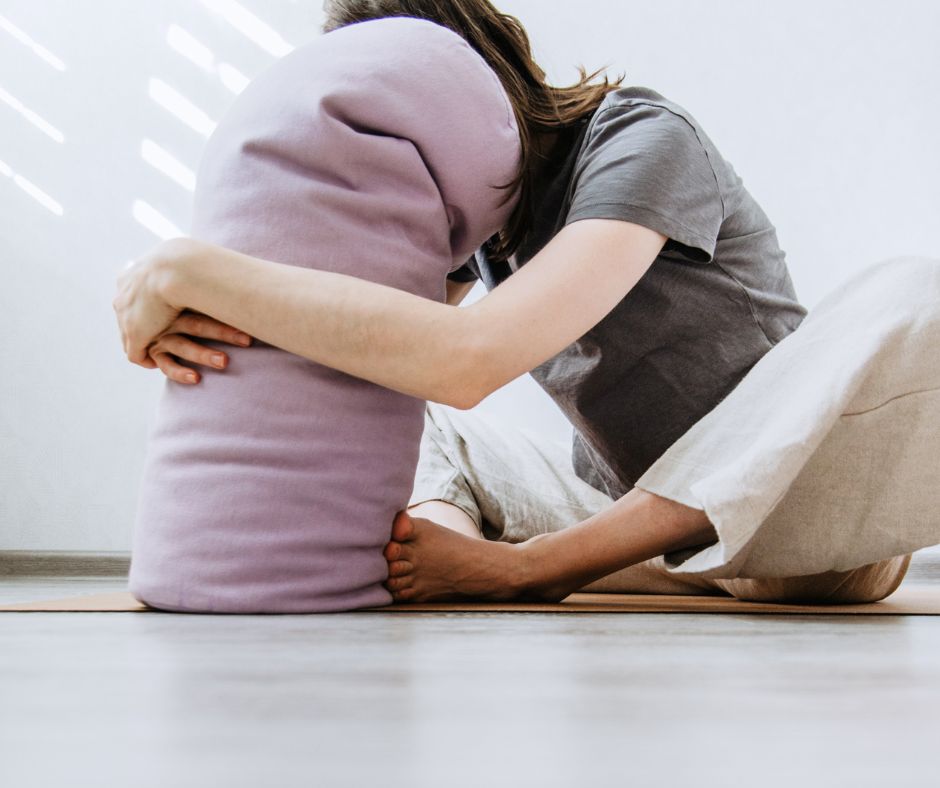
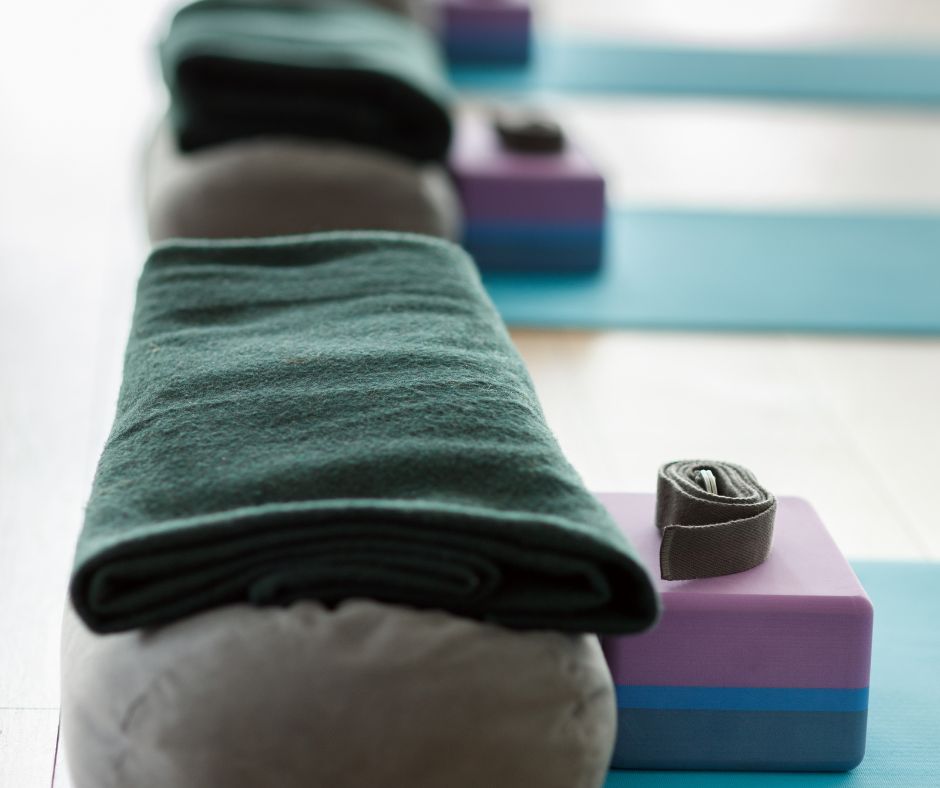
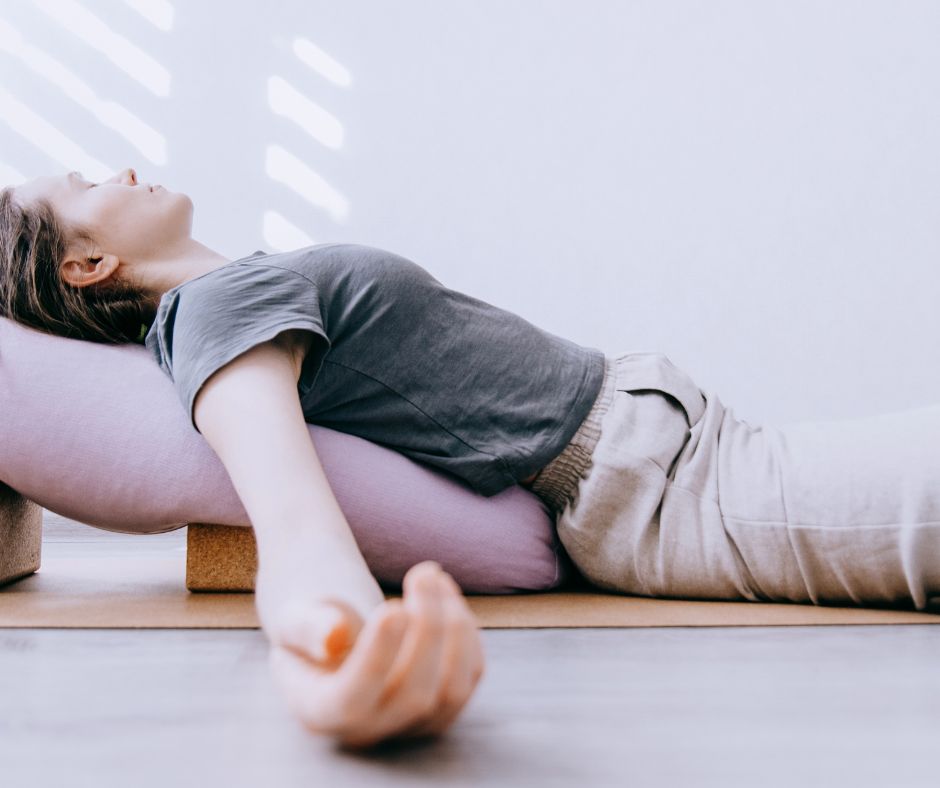
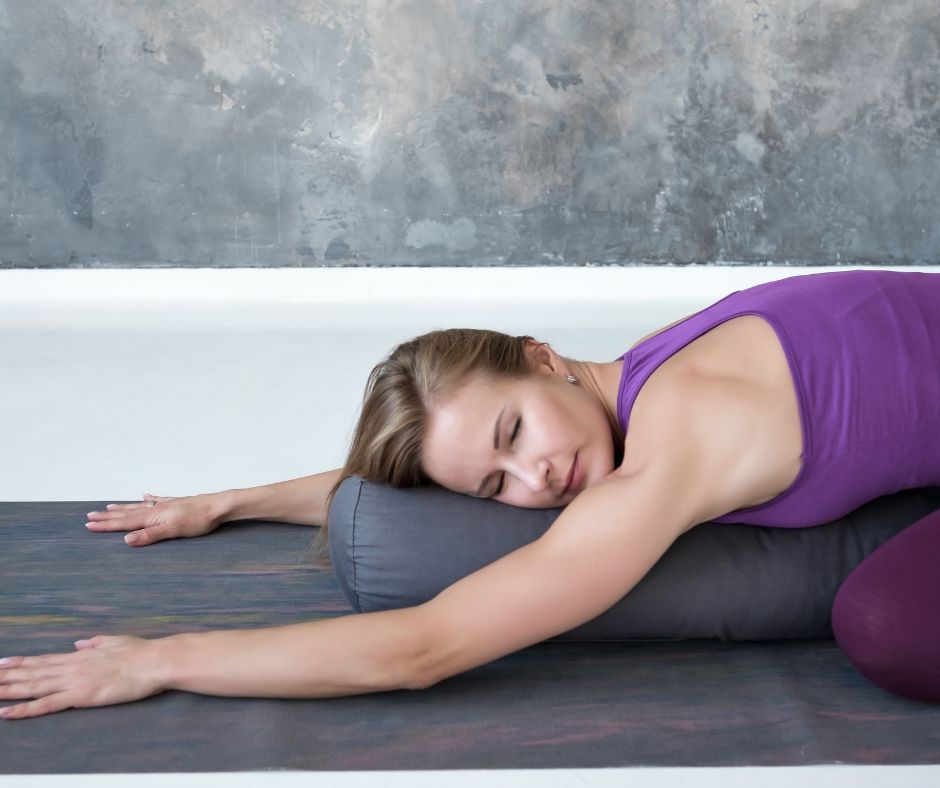
Restorative yoga is a practice focused on deep relaxation, emphasizing meditation to achieve a state of calmness in both the body and mind. Utilizing props for support and holding postures for longer durations can help reduce pain, stress, tension, and anxiety. When we rest and relax, our parasympathetic nervous system is activated, enhancing our ability to heal and find balance. A restorative practice can boost immunity, improve sleep, support recovery, and enhance mood. In restorative yoga, stillness serves as the backdrop, while spaciousness is at the forefront.
Yoga Nidra, or "yogic sleep", is a guided relaxation practice that leads you into a state of deep relaxation between waking and sleeping. It's practiced lying down while moving through stages like setting an intention, a body scan, and breath awareness. The goal is profound physical and mental rest, allowing for deep restoration without necessarily falling asleep. It can induce brainwave patterns similar to deep sleep, promoting rest and recovery.
This class offers a gentle and refreshing experience, featuring restful floor-based sequences designed to calm the mind and open the body through restorative yoga. It helps you tune into the healing capacity of your nervous system. Incorporating this class into your self-care routine is a wonderful way to prepare for a restful night and prioritize time for yourself. End your day with serenity, joy, peace, and clarity. This class combines elements of conscious rest and guided relaxation and may include soothing sounds from singing bowls or chimes. You will gently unwind and transition into a peaceful state, with the use of props for maximum comfort and support.
This class is open to everyone, regardless of experience level. It is especially beneficial for those dealing with chronic pain, fatigue, stress, anxiety, or trauma. This class is trauma-informed, meaning it is adapted to meet the specific needs and symptoms of trauma recovery. It emphasizes safety and choice while focusing on grounding and present-moment awareness rather than solely on physical postures.